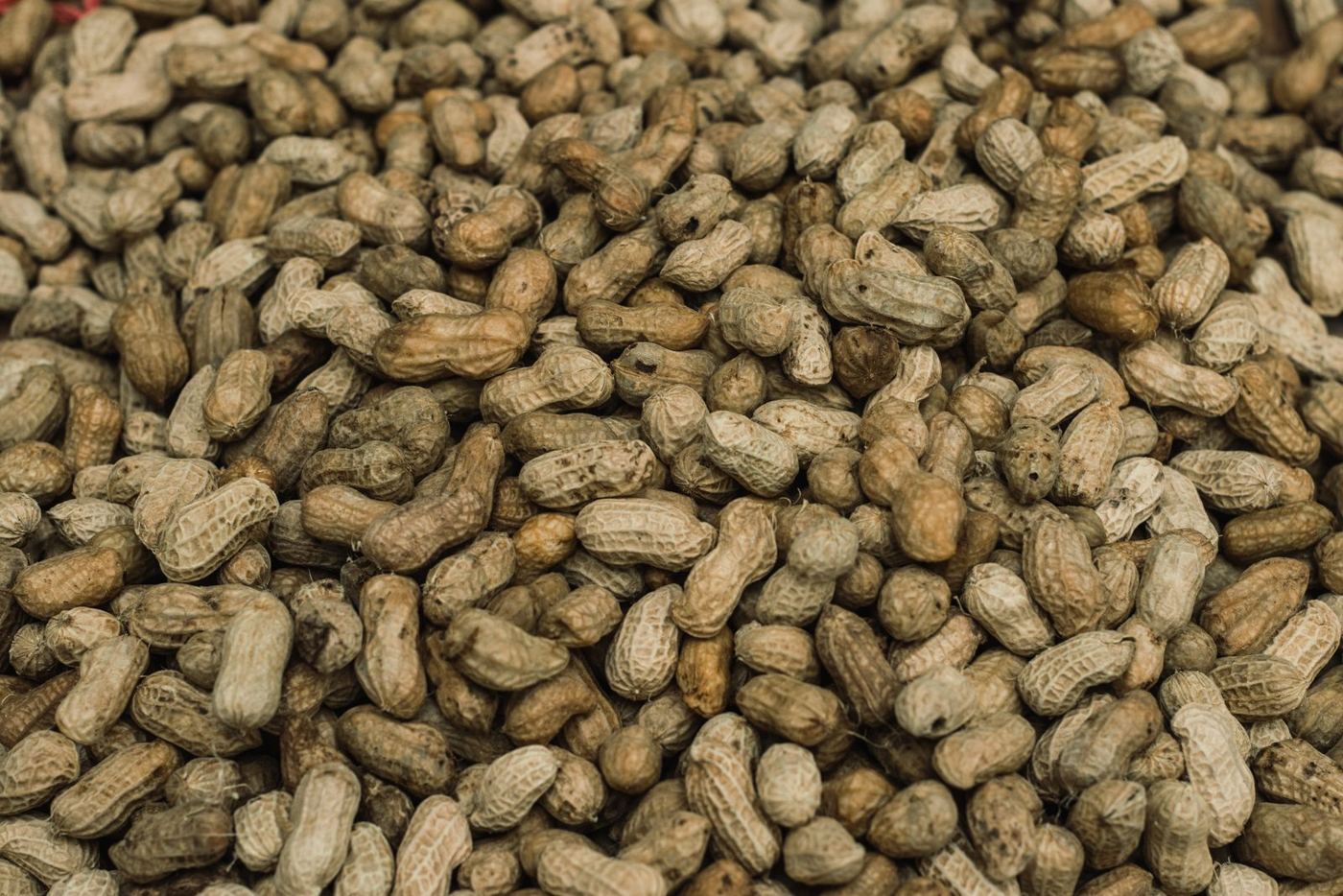
Groundnut Shell (GNS) Briquettes
Good heat value and low ash. The most widely used grade for steam boilers.

Manufacturer & Supplier
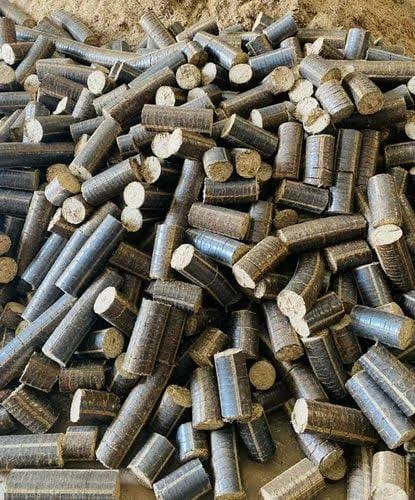
We make biomass briquettes from groundnut shell, sawdust and other agricultural waste at our unit in Ramos, Gujarat. A renewable and cost-effective replacement for coal.
About Us
Shivay Energy and Foods LLP is engaged in the manufacturing of high-quality biomass briquettes using sustainable and renewable biomass resources.
The company focuses on providing eco-friendly and cost-effective alternative fuel solutions for industrial heating and boiler applications. We are committed to promoting renewable energy, reducing dependence on conventional fossil fuels, and supporting a greener environment through sustainable energy solutions.
Products
We produce all common types of biomass briquettes. Single raw material or a blend, depending on what your boiler needs.
Good heat value and low ash. The most widely used grade for steam boilers.
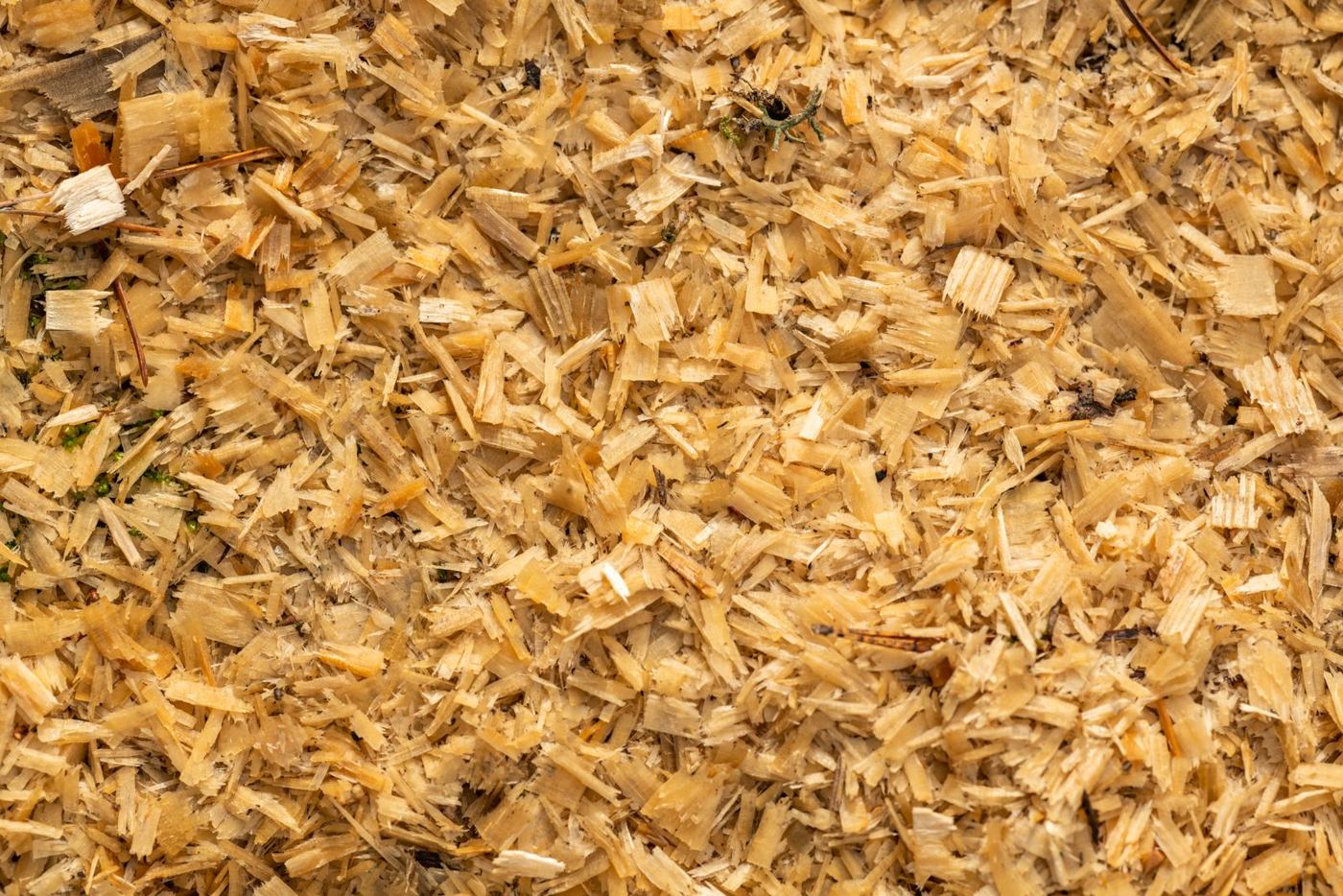
Made from wood waste. Dense, burns evenly and leaves very little ash.
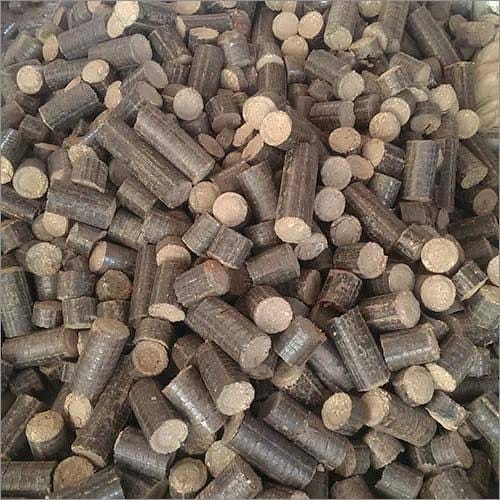
Blend of crop residues like cotton stalk, corn cob and husks. Economical for high-volume use.
| Gross calorific value | 3600 ± 200 kcal/kg |
|---|---|
| Ash content | Below 10% |
| Moisture | About 8% |
| Diameter | 90 mm (other sizes on request) |
| Binder | None |
| Supply | Loose truck load or bags |
Values vary with raw material and batch. Lab reports available on request.
Steam boilers, thermic fluid heaters, hot-air generators, furnaces and dryers in textile and dyeing units, food processing, dairy plants, pharma and chemical units, ceramics, brick kilns and solvent extraction plants.
Environment
Plants absorb CO₂ while they grow. When a biomass briquette burns, it releases roughly the same carbon back, so the fuel is close to carbon-neutral. Coal releases carbon that was stored underground for millions of years.
| Fossil CO₂ avoided per year | 1,717 tonnes |
|---|---|
| Coal replaced per year | 1,080 tonnes |
| Same as the yearly CO₂ uptake of | 78,000 trees |
Indicative estimate. Assumes briquettes at 3600 kcal/kg replacing Indian coal at about 4000 kcal/kg, coal emissions of about 1.59 t CO₂ per tonne (IPCC default of about 95 kg CO₂/GJ), biomass CO₂ treated as carbon-neutral, and about 22 kg CO₂ absorbed per tree per year. Actual savings depend on coal grade and boiler efficiency.
| Coal | Briquettes | |
|---|---|---|
| Fossil CO₂ per tonne burnt | About 1.6 t | Close to zero |
| Ash content | 25 to 45% (Indian coal) | Below 10% |
| Sulphur | 0.4 to 1% | Below 0.1% |
| Source | Mined, finite | Crop residue, renewable |
| Ash use | Landfill | Can be used as soil input |
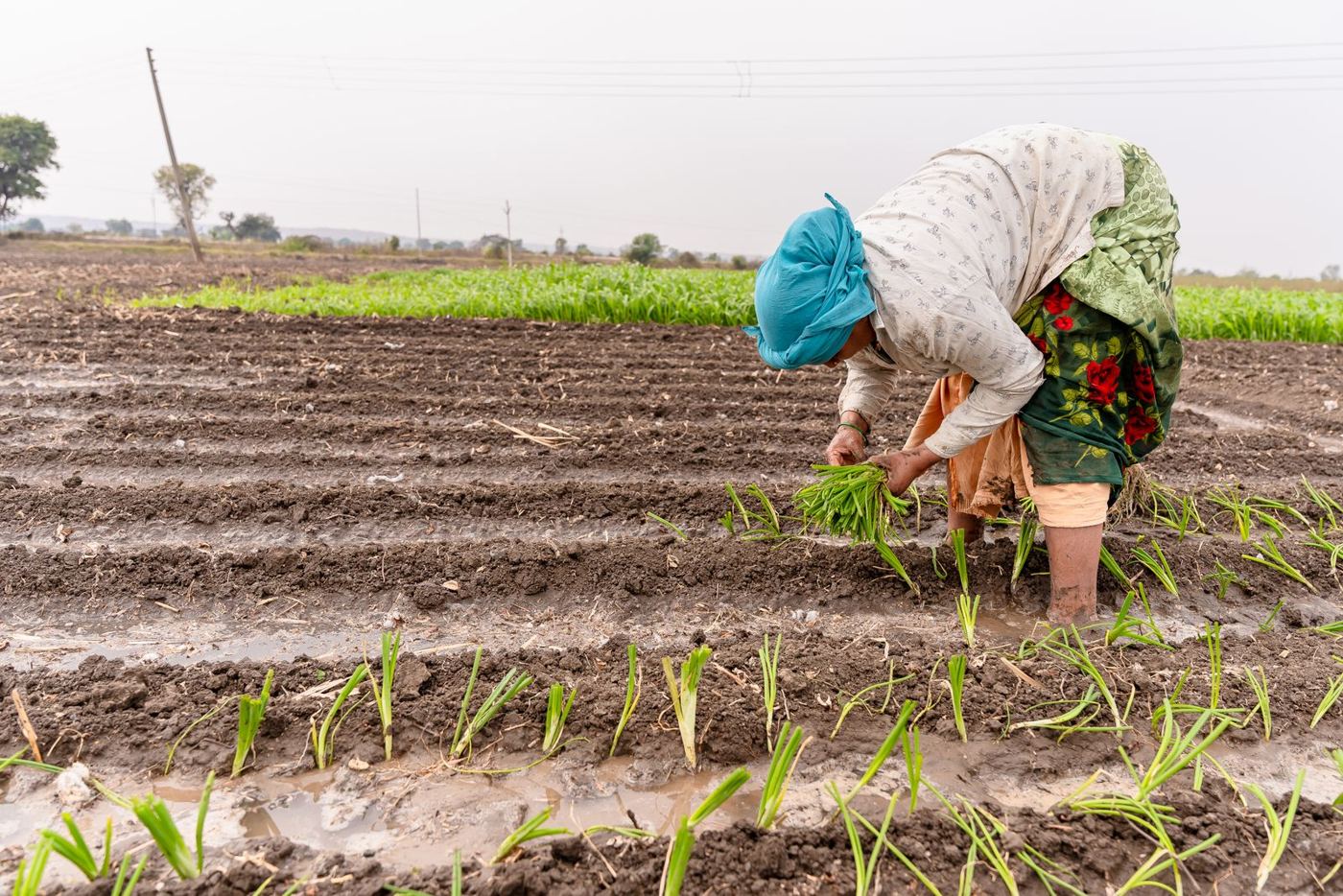
Residue is bought from local farmers and mills.
Moisture is brought down and the material is crushed to an even size.
High-pressure machines press it into briquettes, with no chemical binder.
Checked, loaded and delivered to your plant.
Our Team
Finance, Marketing and Quality Control
M. Pharm. Handles business development, client relations, project coordination and quality control.
Production and Plant Operations
B.E. (Mechanical). Looks after plant and machinery, production planning and manpower.
Procurement and Logistics
Manages raw material sourcing through his network of farmers and suppliers, and transport.
Accounts, Sales and Inventory
Handles day-to-day accounts, sales orders, stock and collections.
Contact Us
Tell us your monthly requirement and boiler type. We will suggest the right briquette and send you a quote.